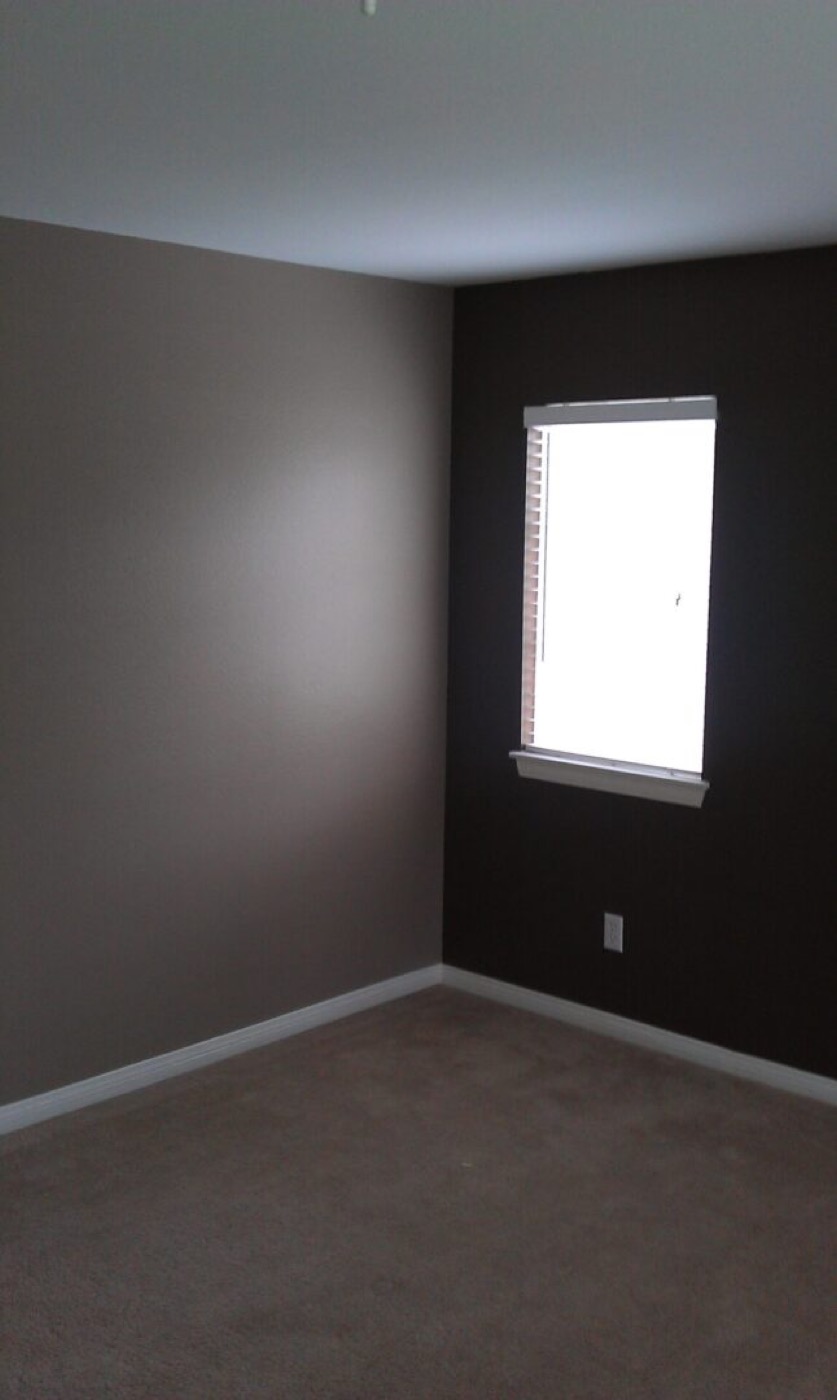
Painting your Riverside interior while you still live in it
Almost nobody moves out. So the real question is not what color goes on the wall, it is how your house works for the six or eight days it takes to get there. We sequence rooms so you always have a bed, a bathroom, and a kitchen. See the finished work or ask for a ballpark.
☎ (951) 685-1595The week your house belongs to the painters
Every occupied interior job is really a negotiation with your own routine. Kids get home at three. Somebody works from the back bedroom. The dog has opinions about strangers on ladders. Before a drop cloth comes off the truck we walk the house with you and decide the order of operations, because the order is what makes the week livable or miserable.
The usual pattern in a Riverside house is to start at the far end and work back toward the door. Bedrooms first, in halves, so nobody sleeps in a room that smells like fresh paint. Hallways and the main living space in the middle of the run, when foot traffic is lightest.
Around the Wood Streets and Canyon Crest we get a lot of older floor plans where every room opens onto every other room, and there is no natural place to close a door. Those houses get zipped containment instead, and we plan the day around one clean corridor from the front door to whatever we are painting.
You are not expected to clear out or stay out of the way. Tell the painters what would make the days easier on your household, and they will plan their work around it while keeping the pace up.
Who moves what, and when it goes back
You take the small and the irreplaceable
Photographs, electronics, whatever lives on a shelf, and anything you would be sick about if it broke. That is the short list we ask you to clear, ideally the evening before. Everything else you can leave exactly where it sits. People routinely over-prepare and then spend the first morning putting things back.
We float and wrap the furniture
Beds, dressers, sofas, and tables get walked to the center of the room and draped with lightweight plastic sheeting. Floors are masked at the edges and covered with drop cloths. Lights, fans, sockets, and switches are masked off with the wall plates removed, then reinstalled once the paint has dried.
Dust gets caught before it travels
Sanding filler and deglossing old enamel makes fine dust that will find your air return if nobody stops it. We tape supply and return vents in the work zone, hang plastic at the room line, and sweep and vacuum at the end of every day rather than letting it accumulate to Friday.
Furniture goes back where it was
Not near where it was. Back against the same wall, on the same rug marks, with the lamp on the same side of the bed. The paint is dry to the touch in an hour and dry enough to lean furniture against within the day, so most rooms are put back before the crew leaves that evening.
Dry, cured, and the difference between them
Dry means it will not transfer to your hand. Cured means the film has finished hardening and can take a scrub, a bumped chair back, or a picture hook without marking. Those are days apart, and knowing the gap is the difference between a wall that looks new in a year and one that shows every place somebody leaned.
The water based ultra-premium paints used these days dry much faster than the oil based paints of yester year, and look great. That is why almost nobody moves out anymore. Masking is removed from the beds as needed on a daily basis, so the room you sleep in is a bedroom again by nightfall even if the crew is coming back to it in the morning.
What we do ask for is patience on the hard-use surfaces. Do not slide a dresser back against a freshly painted wall the same afternoon. Give closet rods and shelf edges a couple of days before you load them up. Wipe rather than scrub for the first week. None of it is dramatic, and all of it buys you years on the finish.
Odor, and what actually causes it
Most of the smell people remember from painting is old oil-based enamel on trim and doors, not wall paint. We use water based products wherever the surface allows it, which takes the majority of that out of the equation. Cross ventilation with a box fan pulling toward an open window clears what is left within a few hours.
If somebody in the house is genuinely sensitive, tell us on the walk-through. It changes the product selection and the room order, and it is a much easier conversation before the schedule is set than on the second morning.
Ceilings and trim are separate decisions
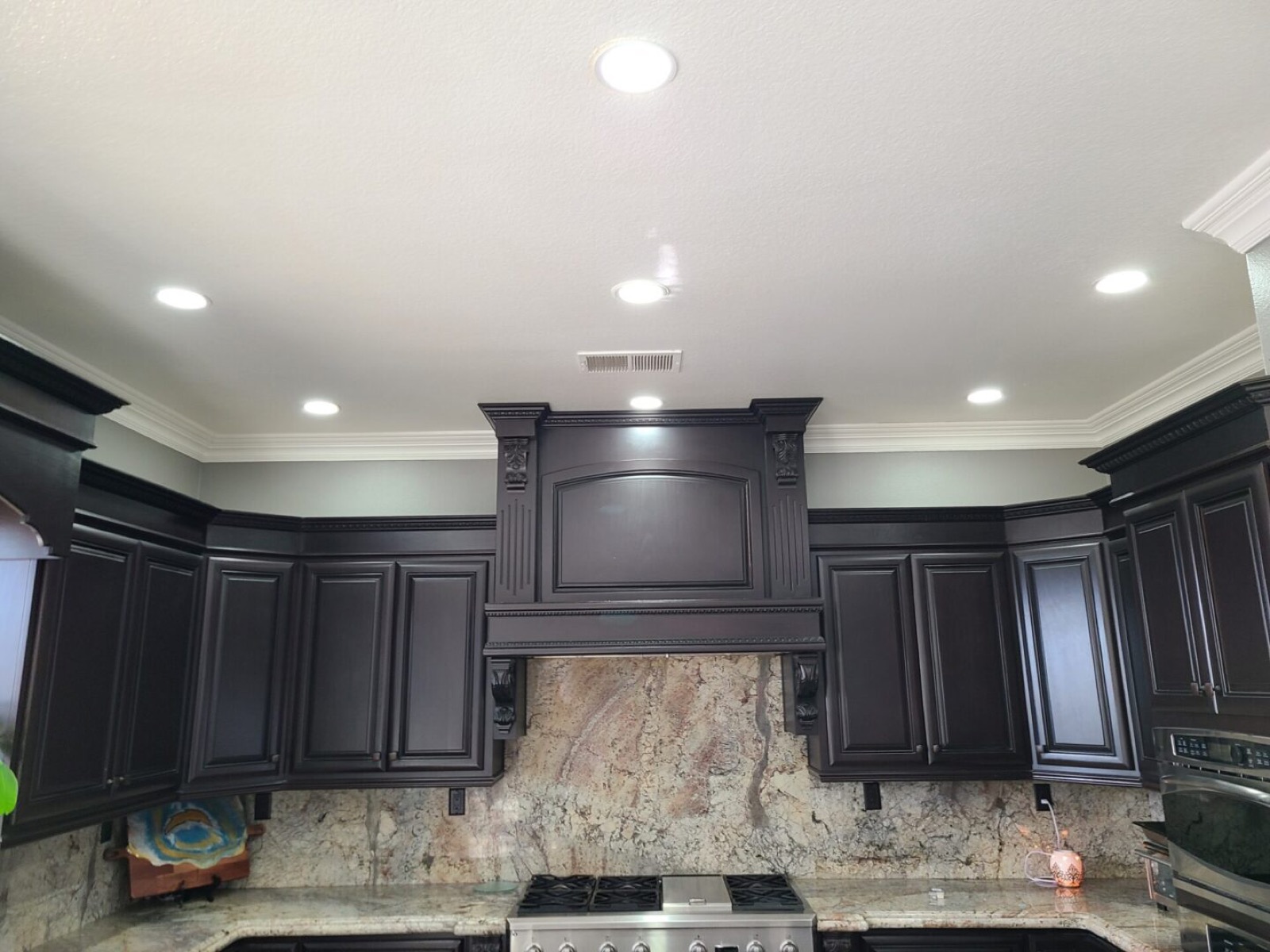
People call for walls and then stand in the finished room looking up. A ceiling that has gone gray a shade at a time reads as clean until the walls next to it are new, and then it reads as dingy from every angle. It is cheaper and far less disruptive to do it in the same visit than to bring the crew and the containment back in eighteen months.
Trim is the opposite argument. Baseboards, casings, and doors take the abuse in a house, and they can carry an older finish for years after the walls need help. If your trim is sound, we will tell you to leave it and spend the money on the walls and ceilings. If it is chipped at the kick line and yellowed on the south-facing doors, that is a real recommendation and we will make it.
The Riverside wrinkle is west-facing glass. Living rooms and back bedrooms that take the afternoon sun bake all summer, and the wall directly opposite that window fades and chalks years ahead of the rest of the house. On those walls we talk about sheen and pigment quality specifically, because the same product that holds fine in a north hallway will not hold there. If you have a room where one wall never quite matches the others, send us a photo and we will tell you why.
What Riverside owners usually add on
These come up on the same walk-through often enough that we quote them together:
- Ceiling Painting
- Trim Painting
- Kitchen Cabinet Painting
- Drywall Repair
- Popcorn Ceiling Removal
- Accent Wall Painting
The rest of our Riverside work
Same crew, same standard, on the outside of the same house:
Getting on the calendar
Scheduling with us is easy. It takes only minutes. The walkthrough happens quickly. A price is given at that appointment. Nothing is required from you but your name, address and phone number. Interior work slides neatly into winter, when the crew is glad to be indoors, so if your rooms can wait until the exterior season winds down you will have an easier time picking your dates.
What to tell us on the walk-through
Which rooms you cannot lose, what days you have people in the house, whether anybody works from home and where. Say it out loud and it becomes the schedule. Say nothing and we guess, and our guess is generic. We may also suggest other surfaces that need painting, that you might not have noticed.
The end of it
You walk through with the foreman. Anything that bothers you gets fixed before we load a ladder. The paint related trash is properly disposed of, floors are swept, and items the painters moved go back where they belong. We firmly stand behind our workmanship and the materials we use, with a standard warranty of 4 years from the date of completion.
The owner started this company after watching an employer stretch material to half the spec, job after job, and refusing to make that his own name’s habit. So your walls get the manufacturer specified amount of paint on all surfaces, and that rule has not bent since. Want it in writing? Ask for a ballpark.
Living through it: your questions
Do we have to move out while you paint?
Almost no one does. If someone in the house is sensitive to paint smell, tell us at the walkthrough and we will plan the order of rooms around it. The water based paints we use dry quickly and have far less odor than oil paints did.
How many rooms are unusable at once?
Usually one or two. We work in a zone rather than opening the whole house, so you keep a bathroom, a kitchen, and somewhere to sleep every single night of the job. Tell us which rooms you cannot spare and we build the order around them.
Who moves the furniture, you or me?
We do. You clear the small breakables and anything electronic, and we float the heavy pieces to the room centers, wrap them, and put them back against the same wall when the room is finished. Emptying rooms helps but is never required.
How much dust does sanding actually make?
Enough that it matters if nobody contains it. We tape off supply and return vents in the work zone, hang plastic at the room line, and vacuum and sweep at the end of each day instead of letting it pile up until the last one.
When can I hang pictures and push furniture back?
Lean furniture and light contact the same evening. For hooks, hard-use closet shelves, and anything that scrubs against a wall, give it several days. Dry to the touch and fully cured are not the same thing, and the difference shows up a year later.
Should I do the ceilings at the same time?
Usually yes. A ceiling that has grayed slowly looks fine until fresh walls sit next to it, and then it reads dingy from every angle. Doing it in the same visit costs far less disruption than bringing the crew and containment back later.
Put a real number on it
Tell us which rooms and which days you have people home. The walkthrough happens quickly, and a price is given at that appointment. Fifty years on the brush, a hundred across the crew, and one rule that has never bent.
Get a Ballpark