
Roof Cleaning that holds up to the Inland Empire
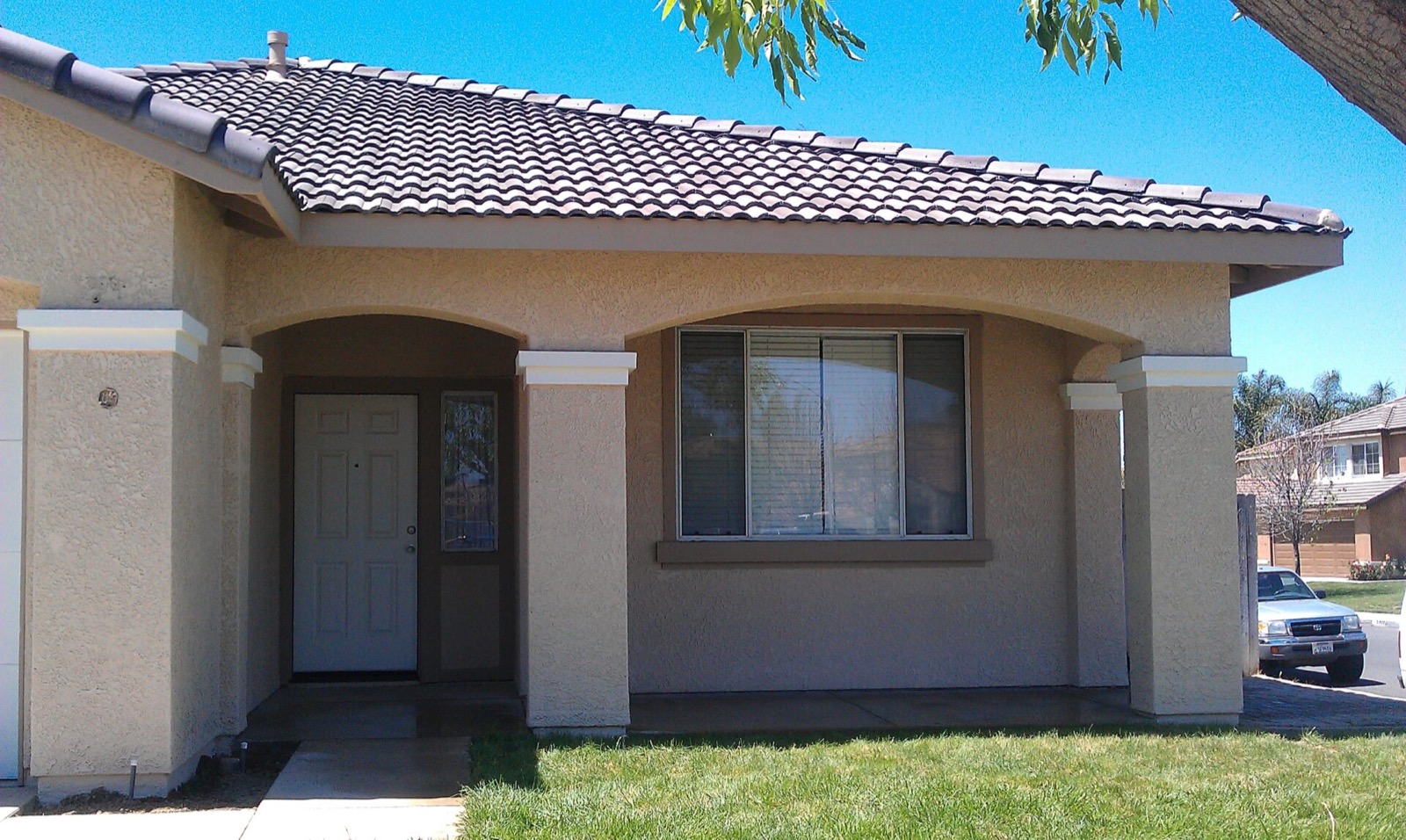
Tile and shingle roofs cleaned with roof-safe methods that lift the black streaks without shortening the roof’s life. Never raw pressure on a roof, ever. Out of Jurupa Valley, across Riverside and San Bernardino Counties, quoted from measured footage and the spread rate on the can. See the finished work or ask for a ballpark.
☎ (951) 685-1595The trade behind the finish
Half of what makes a property look tired is not damage, it is film: dust, exhaust, organic growth, and mineral streaks. The right wash removes the film without hurting what is under it, and the whole place gets years younger in a day.
Cleaning is also inspection. A wash day puts trained eyes and hands on every exterior surface you own, and we flag what we find: failing caulk, early rot, hairline cracks, clogged weeps. The report comes free with the rinse.
Who calls for this: owners prepping to paint or sell, HOAs with letters going out, and people who looked at the neighbor’s clean driveway once too often. If the property reads tired and you cannot say why, the answer is usually a wash away.
You are not expected to clear out or stay out of the way. Tell the painters what would make the days easier on your household, and they will plan their work around it while keeping the pace up.
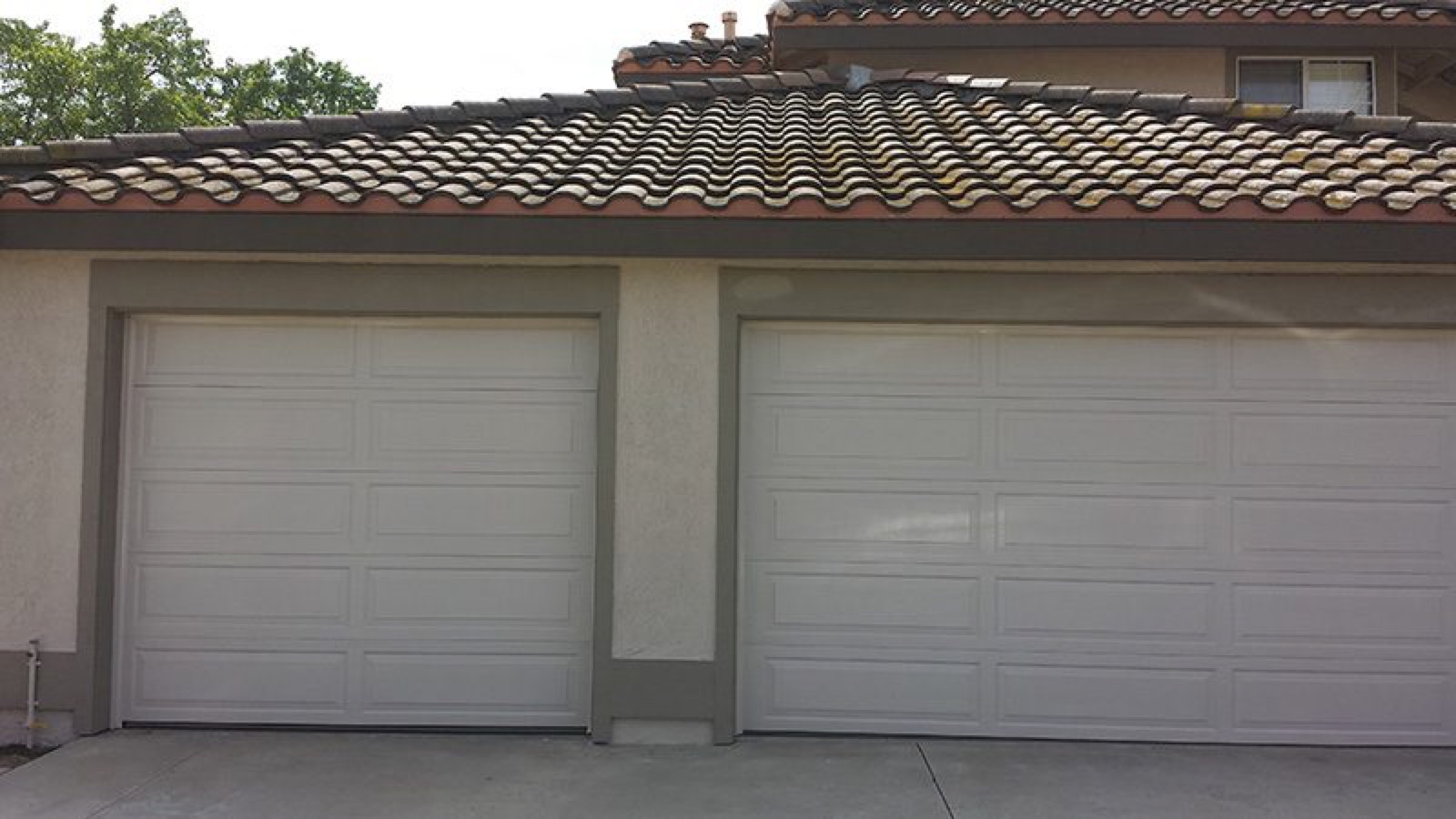
The sequence, walk-through to walkthrough
Read the surfaces
Every material on the property gets its own pressure ceiling and chemistry. We inventory before we spray anything. Surface inventory includes what NOT to touch: aged glazing, oxidized paint, delicate seals.
Pre-treat the biology
Algae, mildew, and moss die by chemistry, not pressure. Detergents dwell long enough to kill roots, not just knock off heads. Bio growth dies at the root or it returns by summer, so dwell is enforced.
Wash at the right energy
Soft wash where surfaces demand it, surface machines on flatwork, controlled wand work everywhere else. Even passes, no stripes. Even passes mean overlapping wet-on-wet, the difference between clean and striped.
Rinse and protect
Landscaping pre-wet and rinsed, runoff managed, windows and fixtures rinsed free of cleaner before it dries. Rinse order is top-down, always, so cleaner never dries on finished surfaces.
Final pass and inspect
Edges, corners, and detail spots hand-finished, then a walk in good light. Clean is a finish too, and we inspect it like one. The final inspection happens dry, because water makes every surface lie beautifully.
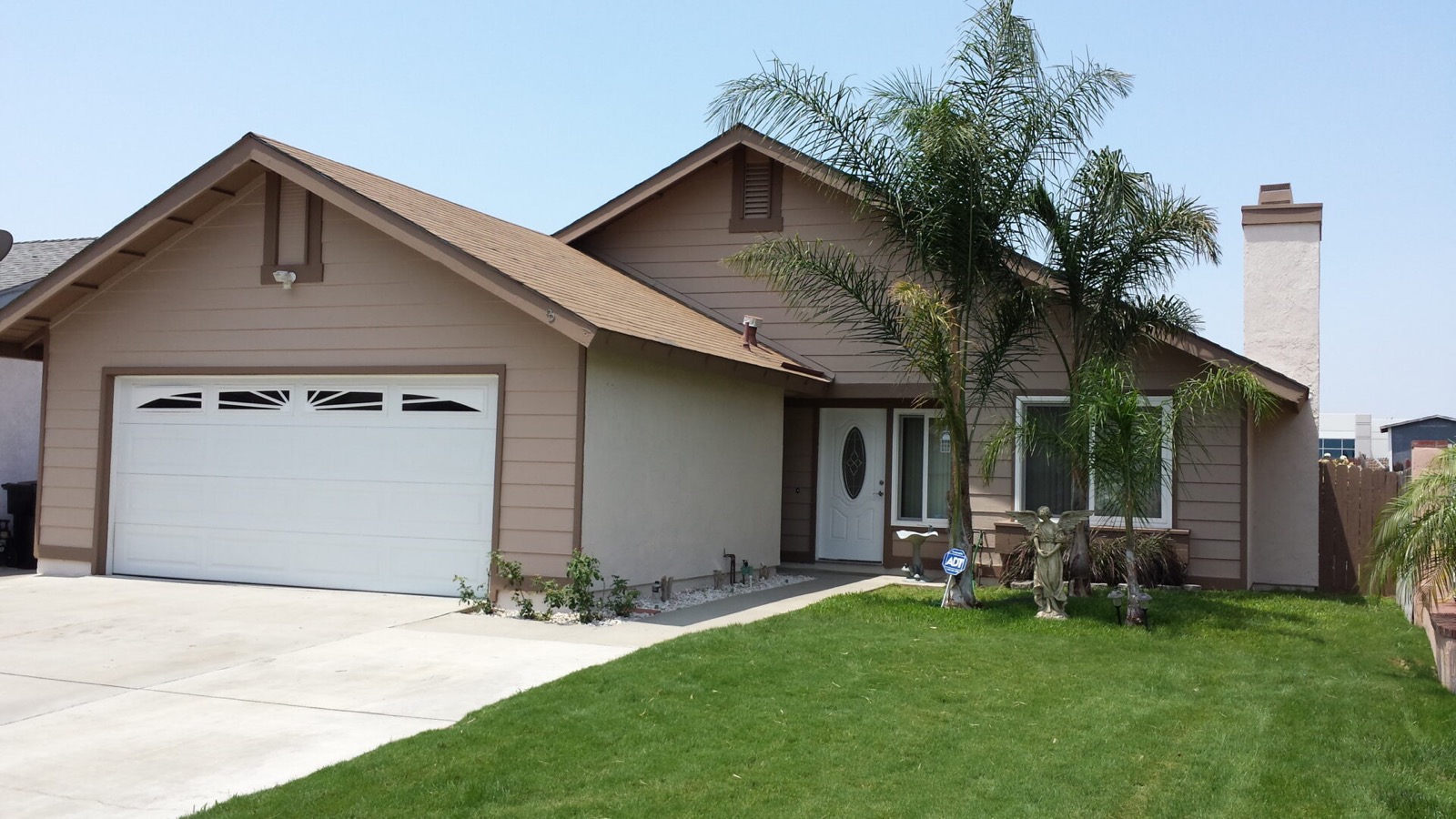

What goes on your surfaces, by name
Equipment matters as much as chemistry: surface cleaners that leave flatwork stripe-free, soft-wash systems that meter dilution precisely, wands and tips sized to each material’s pressure ceiling. The truck carries the full range because properties are not made of one surface.
Water is a tool with a safety rating. We know the PSI ceilings for stucco, wood grain, window seals, and roof surfaces, and we work under them every time. Anyone can make a surface look clean at 3000 PSI once. The trick is clean without a scar.
Built for this valley
Up in the foothills, around Yucaipa and Upland, a warm afternoon can turn into a cold night fast. Paint that goes on late in the day may not get the hours of warmth it needs to cure before the temperature drops. So foothill exteriors get started earlier and wrapped up earlier, and the crew does not push a coat onto a wall that will be chilled before it sets. That small change in the schedule is a big part of why the finish lasts.
That local mileage is also why our ballparks land accurate: we have painted enough houses like yours, in weather like yours, to quote from experience instead of hope.
Where cheap jobs go to fail
Wrong-pressure washing does damage that outlasts the dirt: furred deck boards, etched window glass, stripes in concrete, water driven behind siding. And paint applied over unwashed chalk fails from below, no matter the brand.
Damage from bad washing is uninsurable in the practical sense: furred decks need sanding, etched glass needs replacing, and striped concrete needs grinding. All of it costs multiples of the wash that caused it.
Before you sign a low bid, let us look at it. We will tell you plainly what is covered and what is missing, and if it is a fair bid we will say that too. The owner went into business after seeing an employer stretch paint to half the spec, so we know where to look.
Usually booked together
Combining work saves you a second round of setup and protection. These pair well with this service:
- House Washing
- Pressure Washing
- Soft Washing
- Gutter Brightening
- Driveway Cleaning
- Sidewalk Cleaning
- Patio Cleaning
- All Washing work
Where we do it
We take this work anywhere within 50 miles of our Jurupa Valley shop. Cities we get called to most often:
How booking actually works
Here is how the calendar works. You call, we walk it fast, and the ballpark lands in writing. When you say go, you get a start date and a duration we actually believe, built from the crew’s real pace on jobs this size. Progress gets communicated like adults: what got done today, what happens tomorrow, and what we found that changes anything. No disappearing acts between deposit and completion, because there are no deposits on work we have not started.
Before you call
You do not need to prepare anything for the walk-through, but two things speed the number: knowing which surfaces are in and which are out, and mentioning the deadline if one exists. The rest is our job to see.
Questions to ask any painter, including us
Ask what sheen and which product goes on each surface. Trim, walls, and ceilings usually want different paints, and a bid that lists one product for everything is guessing. We prefer ultra-premium paints and the proper paint for each surface, and we will name them. Hand us any other bid and we will tell you straight whether it measures up.
Terms worth knowing
Words from this corner of the trade, so any bid you read makes sense:
Soft washing. Low-pressure cleaning that relies on detergent chemistry instead of force.
Dwell time. The minutes a cleaner sits on the surface doing the actual work.
Surface cleaner. The spinning-bar tool that cleans flatwork evenly without wand stripes.
Efflorescence. Mineral salts migrating out of masonry; treated chemically, not blasted.
PSI ceiling. The maximum pressure a surface tolerates before cleaning becomes damage.
End of job walkthrough and guarantee
Most fixes happen before you ever need a warranty. On the last day you and the foreman walk the job, and anything that bothers you gets taken care of right then. Anything that shows up later is covered in writing: a standard warranty of 4 years from the date of completion on our workmanship and the materials we use, from a shop in Jurupa Valley.
The owner’s own words for it: if you can’t do it right, then find something you can do right, so you don’t make the customers into victims. He settled on that after years of watching corners cut on other people’s houses, and it is the standard this crew still works to.
Asked on every walk-through
Will pressure washing damage my paint or stucco?
Not the way we do it. Every surface has a pressure ceiling and the fragile ones get soft-wash chemistry instead of force.
Do I need to wash before painting?
Always. Paint bonds to surfaces, not to the dust on them. Washing is step one of every exterior job we quote.
Are your detergents safe for plants?
We pre-wet and rinse landscaping and use exterior detergents at labeled dilutions. Beds and lawns get treated like part of the job, because they are.
How often should a house be washed?
Most Inland Empire homes benefit from an annual wash: dust, sprinkler minerals, and organic shade growth build faster here than owners expect.
Can washing remove sprinkler stains?
Usually. Hard-water mineral staining needs specific chemistry rather than pressure, and heavy buildup may take staged treatments. We will tell you what is removable on sight.
Is my roof safe to wash?
With roof-rated methods, yes. Raw pressure never touches a roof on our watch, and fragile tiles get walked and worked accordingly.
Are you licensed and insured?
We have liability insurance and workman’s compensation insurance on every one of our workers.
Where do you work?
Two counties, mostly: Riverside and San Bernardino. Everything we take on sits within 50 miles of home base in Jurupa Valley, which keeps drive time off your job. Every city we serve has a page of its own.
Who actually shows up?
People who have been at this a long time. The owner has 50 years of painting behind him, and the crew together has more than 100. You meet the contractor first, sometimes along with his son and job foreman Justin. The foreman and two crew members do the painting, and the foreman does the final walkthrough. All of them are employees.
How fast can you get me a ballpark?
Usually within one appointment. Measuring is what takes the time, since the price is built from real square footage and the paint the manufacturer specifies. Once that is done, you hear the number, and the written version arrives the next morning.
Do you use subcontractors?
No. Every painter on your job works for us directly, so we know their training and we answer for their work.
What happens if weather interrupts an exterior job?
A short delay. The foreman finds a sensible place to stop and protects what has been done, then tells you when the crew will be back. The job still gets finished the way it was planned.
Ask for a price
Tell us what needs doing. The walkthrough happens quickly and a price is given at that appointment. Fifty years on the brush, a hundred across the crew, and one rule that has never bent: we use the manufacturer specified amount of paint on all surfaces.
Get a Ballpark