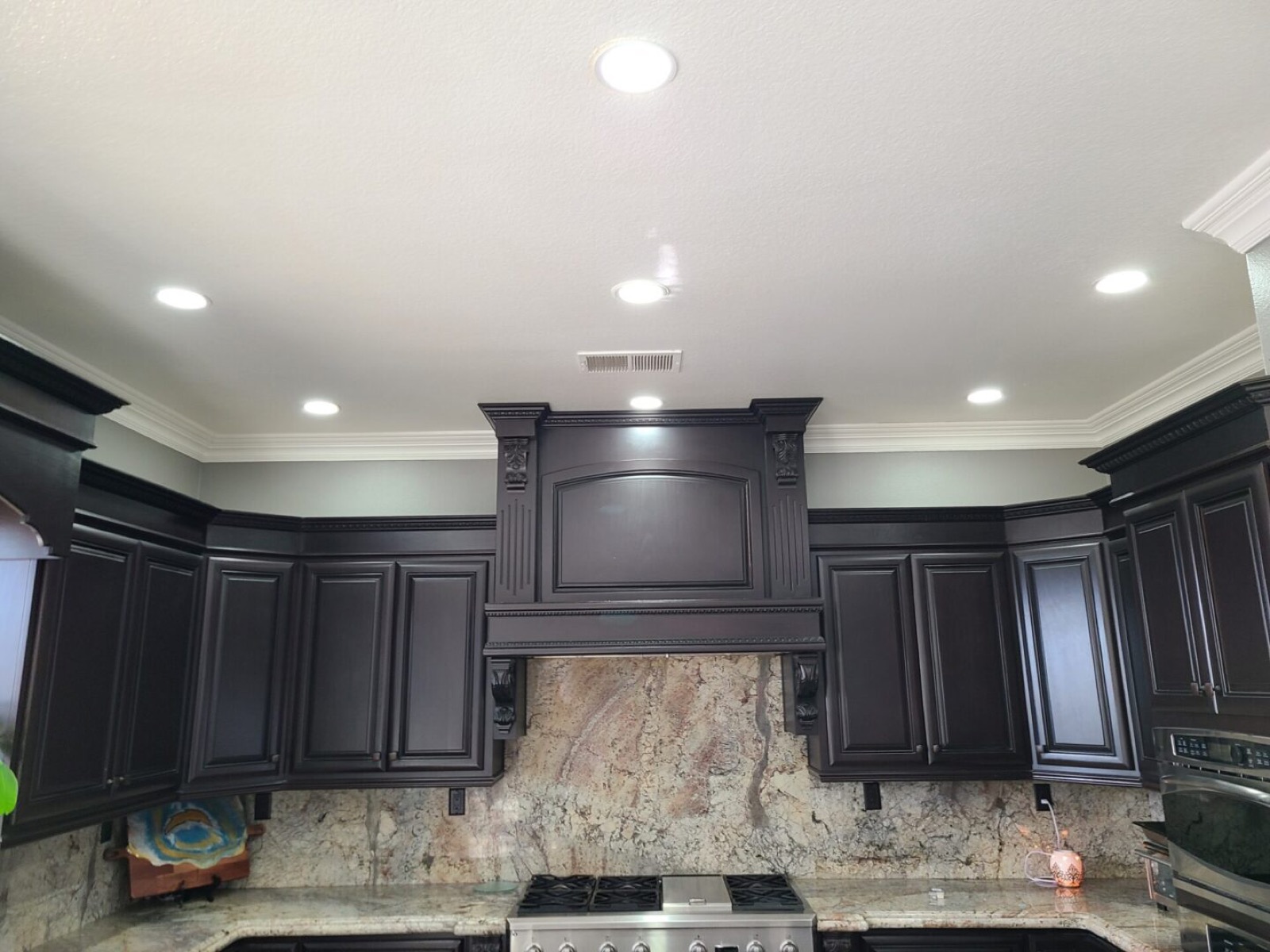
Wood Staining done the way it should be
Doors, trim, beams, and paneling stained to tone. Sample boards first, because stain on your actual wood species is the only sample that tells the truth. Out of Jurupa Valley, across Riverside and San Bernardino Counties, quoted from measured footage and the spread rate on the can. See the finished work or ask for a ballpark.
☎ (951) 685-1595The trade behind the finish
Wood deserves a finisher who respects it. Whether the job is paint-grade smooth or stain-grade honest, the sequence is the same: correct prep, correct product, correct cure time, no shortcuts hiding in any of the three.
Finishing is the patient end of painting. Where wall work is measured in rooms per day, cabinet and wood work is measured in surfaces per coat and hours per cure. We staff it with the crew members who like it slow and perfect, because that is who it takes.
Who calls for this: kitchens that function perfectly but look like their install date, owners quoted a remodel who want ninety percent of the effect for a fraction of it, and anyone whose wood doors have gone orange with age. If the boxes are sound, this is the smartest money in the house.
Professional shows up in small things, like arriving when expected and answering your questions straight. The painters work with you so the whole job is as comfortable as a paint job can be.

The sequence, walk-through to walkthrough
Label and pull
Every door, drawer, and hinge is labeled and pulled. Hardware bagged. The kitchen stays usable while boxes are masked. The labeling map means every hinge returns to its born hole, which is why doors hang true after.
Clean and degloss
Grease is the enemy of adhesion. Everything is degreased, scuffed, and deglossed until the surface is ready to hold a finish for years. Degreasing gets tested with a water-break check, not assumed from effort.
Prime with a bonding system
Cabinet-grade bonding primer, sprayed and sanded. This is the coat that decides whether the finish chips at the first key scratch. Primer gets sanded to glass because the topcoat can only level what lies beneath it.
Spray the finish flat
Doors and drawers sprayed horizontal in controlled conditions for a level, factory-grade film. Boxes sprayed or brushed in place to match. Film thickness is measured in wet mils as we spray, the way the datasheet intends.
Cure, rehang, and dial
Finishes cure to handling hardness before reassembly. Doors rehung, gaps evened, soft-close checked, hardware back exactly where it lived. Cure days are protected days. The kitchen that waits three days keeps its finish thirty times longer.
What goes on your surfaces, by name
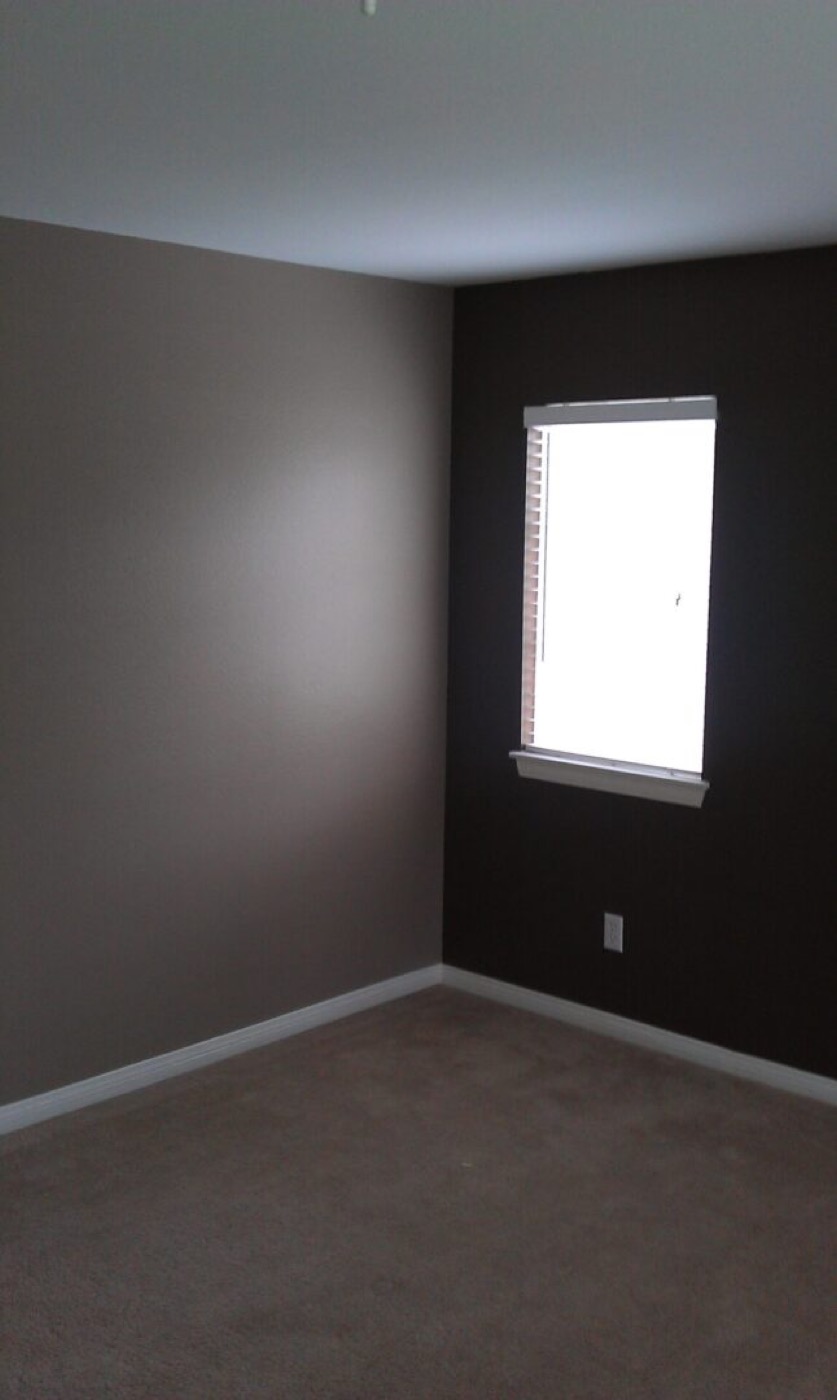
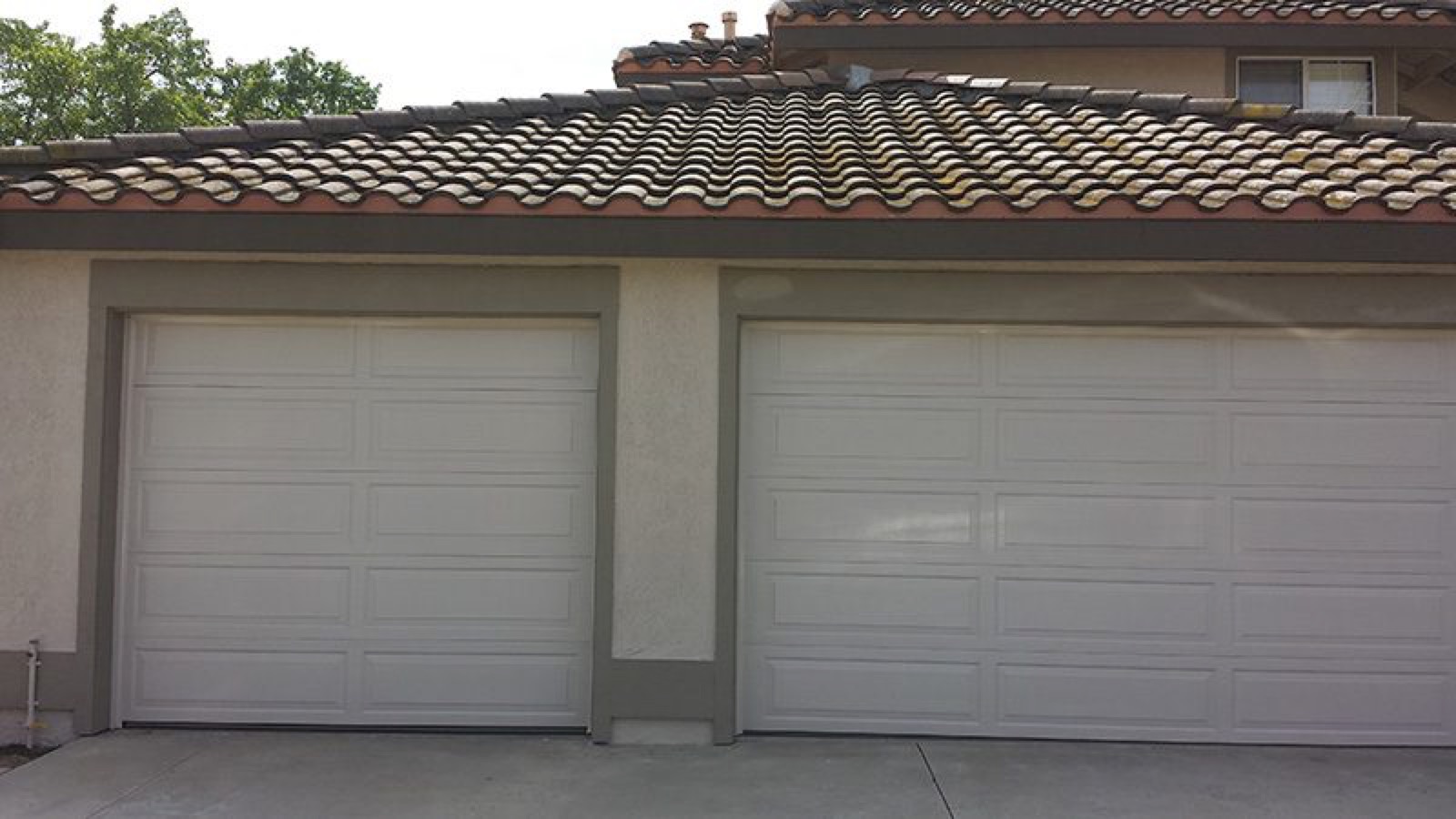
The difference between a cabinet job that chips in a month and one that lasts a decade is the system: cleaner, bonding primer, and a hard-curing topcoat, each given its full dry window. We do not rush cures to hit a Friday, and your hardware goes back on only when the film can take it.
Spraying is only as good as the booth conditions. We control dust, temperature, and film thickness on every door and drawer, then flat-stack them through cure. It is slower than propping doors against a fence, and it is why our finishes read factory.
Built for this valley
Up in the foothills, around Yucaipa and Upland, a warm afternoon can turn into a cold night fast. Paint that goes on late in the day may not get the hours of warmth it needs to cure before the temperature drops. So foothill exteriors get started earlier and wrapped up earlier, and the crew does not push a coat onto a wall that will be chilled before it sets. That small change in the schedule is a big part of why the finish lasts.
That local mileage is also why our ballparks land accurate: we have painted enough houses like yours, in weather like yours, to quote from experience instead of hope.
Where cheap jobs go to fail
Cabinet shortcuts are brutal because hands find every one: finishes that chip at the knobs, doors that stick from fat edges, grain that telegraphs through skipped priming. Furniture-grade means the finish survives the family, not just the photos.
Redoing a failed cabinet job costs more than doing it right the first time, because the failed finish has to come OFF before anything new goes on. Stripping chipped enamel from forty doors is the most expensive way to learn what bonding primer was for.
A low price is usually built from something left out, like prep that never happens or paint stretched past the spec. The owner watched an employer do the second one job after job. Show us what you were quoted and we will point out what is there and what is not.
Usually booked together
People who book this usually add something else while the crew is already here. The ones that come up most:
- Kitchen Cabinet Painting
- Bathroom Cabinet Painting
- Built-In Cabinet Painting
- Cabinet Refinishing
- Cabinet Staining
- Cabinet Glazing
- Wood Refinishing
- All Cabinets work
Where we do it
We take this work anywhere within 50 miles of our Jurupa Valley shop. Cities we get called to most often:
How booking actually works
Booking starts with your name, address and phone number. That is all we need to set up the walkthrough, which goes quickly. We may point out other surfaces that could use paint, things you might not have noticed. The price comes at that appointment. If you go ahead, the job goes on the calendar with a real start date, and weather is the main thing that can move it.
Before you call
You do not need to prepare anything for the walk-through, but two things speed the number: knowing which surfaces are in and which are out, and mentioning the deadline if one exists. The rest is our job to see.
Questions to ask any painter, including us
Ask whether the bid is built on the amount of paint the manufacturer specifies. Two bids for the same house can land close on price while one plans on far less material, and the gap only shows up when the finish wears through early. Bring us the competing bid and we will go through it with you, and if it holds up, we will tell you so.
Terms worth knowing
Words from this corner of the trade, so any bid you read makes sense:
Catalyzed finish. A two-part coating that cures chemically to furniture hardness ordinary paint never reaches.
Deglossing. Dulling an existing finish so the new system can bond mechanically.
Flat-stacking. Curing sprayed doors horizontally so the finish levels glass-smooth.
Grain telegraphing. Wood texture showing through insufficient primer build on paint-grade work.
Conversion varnish. A professional clear topcoat standard for stain-grade cabinet durability.
End of job walkthrough and guarantee
Fifty years of painting in one region means a lot of the owner’s past work is still standing within a short drive of the shop in Jurupa Valley. Every new job joins that list, and he wants all of it to hold up. The written part is a standard warranty of 4 years from the date of completion, covering our workmanship and the materials we use.
The rule this company runs on came from the owner watching an employer stretch paint to half the spec, job after job, and refusing to make that his own name’s habit: do right by everybody. Every page of this site says it because every job on the schedule proves it.
Asked on every walk-through
How long is the kitchen out of service?
Boxes are usually finished within two or three days on site, with doors curing in our controlled setup meanwhile. Most kitchens are fully reassembled inside a week.
Spray or brush for cabinets?
Sprayed, always, for the level factory film a kitchen deserves. Doors and drawers leave the house and come back cured, dialed, and rehung.
Paint or new cabinets?
If the boxes are sound, refinishing delivers ninety percent of the visual for a fraction of the cost. We will tell you honestly if yours are not worth painting.
Can you match a factory finish color?
Yes. We read the existing finish, build a matching system, and sample on a real door before committing the kitchen to it.
What about the cabinet interiors?
Your call, priced clearly either way. Glass-front and open shelving usually get interiors; closed boxes usually do not need them. We will show you both numbers.
What colors are popular for cabinets right now?
Whites and creams still lead, deep greens and navies close fast, and two-tone kitchens with darker islands are everywhere. We will show you all of it on real doors.
Are you licensed and insured?
We have liability insurance and workman’s compensation insurance on every one of our workers.
Where do you work?
If you are within 50 miles of Jurupa Valley, you are in range. That covers a big share of Riverside and San Bernardino Counties. Not sure? Call with your address and we will tell you.
Who actually shows up?
People who have been at this a long time. The owner has 50 years of painting behind him, and the crew together has more than 100. You meet the contractor first, sometimes along with his son and job foreman Justin. The foreman and two crew members do the painting, and the foreman does the final walkthrough. All of them are employees.
How fast can you get me a ballpark?
Usually while we are still standing in your driveway. We measure, talk through what you want, and most walk-throughs end with a number on the spot and the written version the next morning.
Do you use subcontractors?
Not on any job. Our employees do all of the work, which is how the crew keeps one standard from prep through cleanup.
What happens if weather interrupts an exterior job?
We pause at safe stopping points, protect the work in progress, and give you the revised date immediately. Chemistry beats calendars, every time.
Ask for a price
If you are collecting bids, put ours in the pile. The walkthrough is quick and the price comes at that appointment. When you compare, keep in mind that ours is built on the manufacturer specified amount of paint for every surface, and not every bid is.
Get a Ballpark